
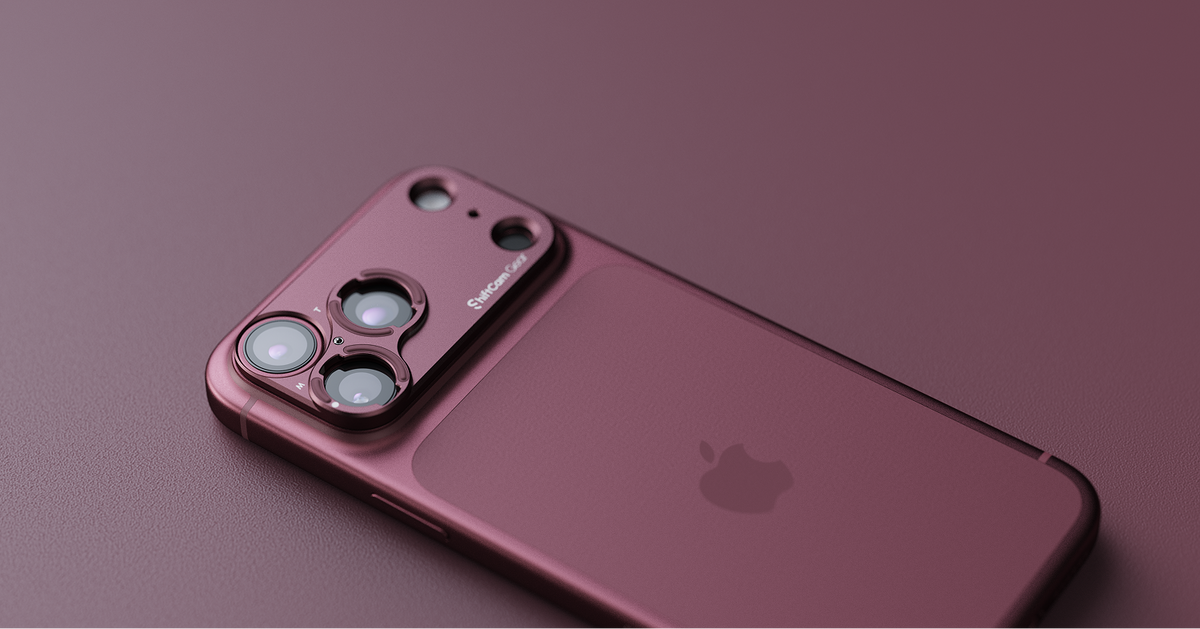
Every new iPhone promises a better camera. But for iPhone photography, the more useful question is: what will actually help you take better photos and videos?
With the iPhone 18 Pro, Apple hasn’t simply added more megapixels or replaced every camera. Instead, the biggest improvements give the camera more control over light, focus and motion — while giving photographers more creative control when they want it.
And for anyone who wants to take the camera further, those changes also create new possibilities for lenses, filters, grips and other iPhone photography gear.

Variable Aperture Is the Biggest iPhone 18 Pro Camera Upgrade
The biggest change is the new variable aperture on the 48MP Main camera. For the first time on an iPhone, the opening inside the lens can physically become wider or narrower depending on what you’re photographing.
The iPhone 18 Pro offers four aperture positions — f/1.48, f/1.8, f/2.8 and f/4. A wider aperture can bring in more light, while a narrower aperture can keep more of the scene in focus.
In practical terms, your iPhone camera can now adapt more like a traditional camera lens: opening up for a darker portrait, or narrowing down when you want a group or landscape to stay sharper throughout the scene.
Better Photos & Focus When the Light Gets Difficult
Low light is where the new aperture could make one of the most noticeable differences. Apple says the Main camera can open wider in darker environments to let in around 50% more light.

Think dinners with friends, indoor portraits, concerts or travel after sunset. More light gives the camera more information to work with, helping preserve detail and giving it a better chance of capturing people clearly when the scene gets dark.
You don’t really need to remember what “f/1.48” means. What matters is getting a better photo when the light isn’t perfect.
More Creative Control — When You Want It
The iPhone is still designed to let you point, shoot and move on. But iPhone 18 Pro now gives photographers much more control when they want to experiment.
New Pro Controls bring aperture, shutter speed, white balance and a histogram into Apple’s Camera experience. A faster shutter can freeze action, while a slower shutter can deliberately blur movement.
That also makes traditional photography tools more relevant. Mobile photography filters such as ND filters can help control bright light when you want to maintain a particular shutter speed, while CPL and diffusion filters can solve completely different creative problems.
Smarter Focus for People, Pets and Action
Some of the hardest photos are also the moments you most want to keep: kids running, pets moving, sport or friends walking through a scene.
Smart Focus Tracking uses on-device intelligence to stay locked onto a subject as it changes distance from the camera. Apple says it can even continue tracking if the subject leaves and re-enters the frame.

The benefit is simple: fewer good moments lost because your iPhone focused on the wrong thing.
Better Video for Mobile Creators
The iPhone 18 Pro also gives video creators more flexibility. Cinematic Mode now reaches 4K Dolby Vision at 60fps, while Cinematic effects can be applied to regular video after it has already been captured.
That means there’s less pressure to choose exactly the right mode before something happens. Capture the moment first, then make more of the creative decisions afterward.
Photographic Styles follow a similar direction for still photography, adding texture and grain controls that give photographers more freedom to shape the character of their images.
What Does iPhone 18 Pro Mean for Mobile Lenses?
A more capable native camera doesn’t make an external iPhone lens or mobile lens irrelevant. They solve a different problem.
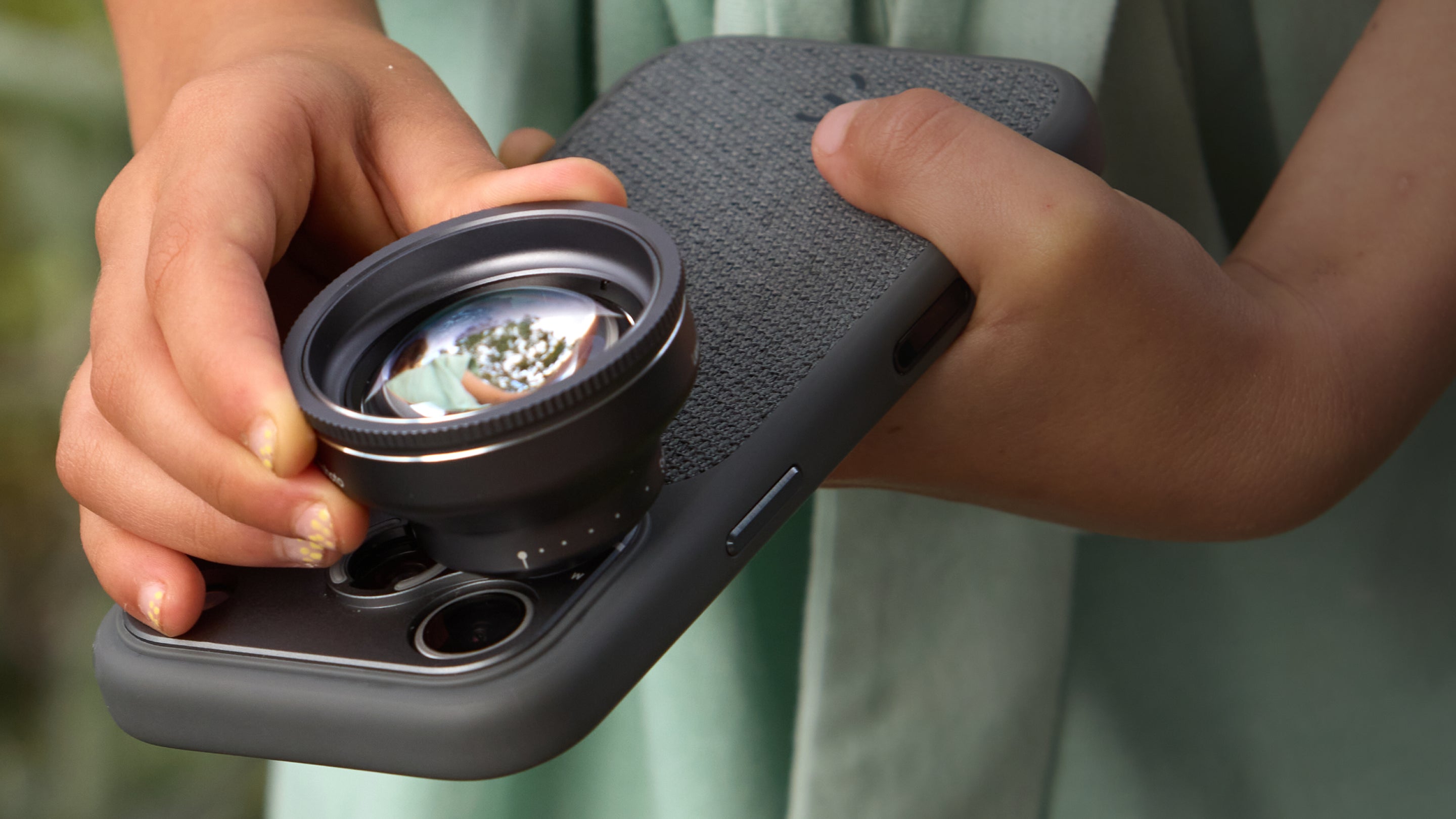
Variable aperture changes how the Main camera handles light and depth of field. A mobile lens changes perspective, field of view and optical character.

Because ShiftCam’s P.Series and V.Series lenses are designed around the phone’s 1× Main camera, they let you build different perspectives around the camera Apple has upgraded most. A 60mm lens can create a tighter portrait perspective, for example, while a Wide lens can open the scene up for landscapes, interiors or travel.
You can explore those different perspectives in ShiftCam’s Mobile Lens collection. If you’re deciding between the two lens systems, the P.Series vs V.Series Mobile Lens Guide explains which approach better suits everyday photography versus more deliberate, premium optical shooting.
Building Around the iPhone 18 Pro Camera
The iPhone 18 Pro is already a powerful camera on its own. You don’t need accessories to take great photographs.
But the more interesting question is what you want the camera to do next.
Want a different perspective? Add a mobile lens.
Want more reach? Add SuperZoom.
Want more control over light? Add filters.
Want the phone to feel more like a camera in your hands? Add a grip.
And if you’re starting with a new iPhone 18 Pro, ShiftCam’s Gear for iPhone 18 page brings compatible lenses, mounts, SuperZoom, grips and complete setups together in one place.

For existing ShiftCam lens users, the S.Mount Camera Case for iPhone provides the mounting foundation for compatible P.Series, V.Series and X.Series setups on iPhone 18 Pro and Pro Max.
So, Is the iPhone 18 Pro a Big Photography Upgrade?
The interesting thing about the iPhone 18 Pro isn’t that Apple has replaced every camera.
It’s that iPhone photography now gives you more choice.
The Main camera can physically change its aperture. You can control shutter speed and color more deliberately. Focus can follow moving subjects more intelligently. Video gives you more flexibility after capture.
| iPhone 18 Pro feature | What it means for photography |
|---|---|
| Variable aperture | More control over light and depth of field |
| Pro Controls | Control shutter, aperture and colour |
| Smart Focus Tracking | Easier capture of moving subjects |
| Cinematic 4K60 | More flexibility for video |
| Photographic Styles | More control over texture, grain and look |
| Mobile lenses & filters | Expand perspective and control light |
And when the native camera reaches its limit, there’s now a clear path to take it further — changing perspective with lenses, extending reach with SuperZoom, controlling light with filters or improving the physical shooting experience with a grip.
You can still pull the iPhone 18 Pro out of your pocket and let it do everything for you.
But when you want more, you can increasingly build the camera around the photograph you want to make.
Share:
P.Series vs V.Series: How to Choose the Right ShiftCam Mobile Lens Series